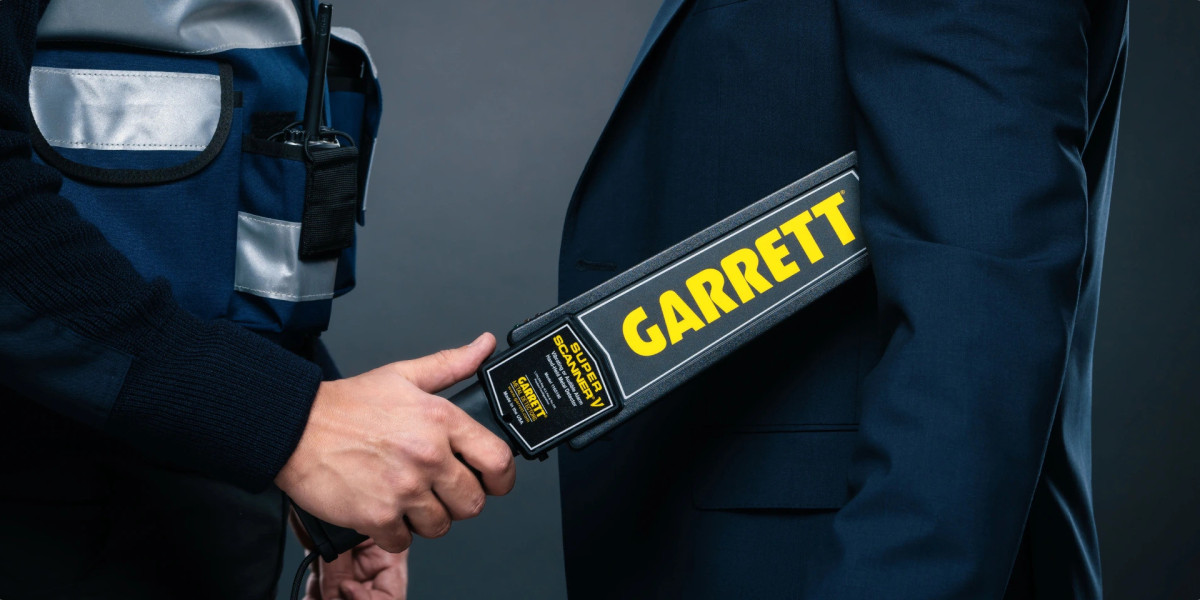
The UAE medical fitness test is a mandatory requirement for residency visas, employment permits, and certain long-term residency programs. Although the process is straightforward, applicants frequently encounter challenges that can delay visa issuance or complicate the approval process.
Most of these issues are administrative rather than medical, often involving documentation gaps, miscommunication, or procedural errors. Knowing the common obstacles and how to address them proactively can save time, reduce stress, and increase the likelihood of successful visa processing.
This article outlines typical problems during the UAE medical fitness test and provides practical guidance on resolving them.
Understanding the Purpose of the Medical Fitness Test
The UAE medical fitness test is designed to safeguard public health and ensure applicants meet the minimum health standards for residency. Core components of the test typically include:
Blood tests to screen for infectious diseases
Chest X-ray to assess respiratory health
Verification of personal identification
Registration of biometric data
Accuracy in all documentation and test results is critical, as the medical report is linked to immigration systems. Minor errors, such as name mismatches or missing data, can cause delays or denial of the visa.
Common Issue 1: Delayed Test Results
One of the most frequent challenges is the delay in receiving medical test results. While standard processing is quick, factors like high applicant volumes, system backlogs, or technical verification can slow the process.
To address delays:
Regularly track the application status through official portals
Ensure all personal information matches Emirates ID or visa application details
Avoid repeating tests unless explicitly required
Proper monitoring and patience usually resolve delays efficiently.
Common Issue 2: Documentation Errors
Incorrect or missing documentation is another major cause of complications. Even minor discrepancies in passport numbers, visa file numbers, or personal information can result in test rejection.
Common errors include:
Spelling inconsistencies across documents
Expired passports or mismatched visa numbers
Use of outdated visa details
Resolving documentation errors involves verifying all personal and visa information before attending the medical test. Prompt reporting of discrepancies at the medical center can prevent extended processing delays.
Common Issue 3: Inconclusive or Re-Test Requests
In some instances, applicants may be asked to undergo re-tests due to unclear results. This is a routine procedure rather than an indication of serious health issues.
Typical reasons for re-tests include:
Unclear X-ray imaging
Blood sample inconsistencies
Technical or procedural errors
Applicants should follow instructions carefully, attend re-tests promptly, and maintain accurate documentation to facilitate smooth processing.
Common Issue 4: Timing Conflicts With Visa Deadlines
Medical fitness results are time-sensitive and must align with visa application deadlines. Delays or missed timelines can result in fines, visa expiration, or repeated applications.
To manage timing risks:
Schedule medical tests immediately after visa issuance
Avoid last-minute appointments
Confirm the validity period of test results and coordinate with visa timelines
Businesses and individuals often coordinate testing and application schedules to ensure smooth processing, sometimes consulting experts such as business consultants in uae to manage multiple visa applications effectively.
Employer and Family Visa Considerations
For employees and family members, medical test issues can impact dependent visas and employment permits. Common challenges include:
Coordinating appointments for multiple applicants
Aligning results with sponsor records
Complying with emirate-specific medical requirements
Early preparation, centralized record-keeping, and coordination with sponsors help reduce complications for multiple applicants.
Preventing Issues Before the Medical Test
Prevention is more effective than resolution. Applicants can minimize issues by following these best practices:
Verify all personal details and documents before appointments
Attend only authorized medical centers
Follow all procedural instructions carefully
Allow buffer time in visa processing schedules to accommodate delays
Proper preparation ensures smoother testing, fewer administrative complications, and faster visa approvals.
FAQs
Can a failed medical fitness test be appealed?
Yes. In some cases, applicants may be required to undergo follow-up testing or provide clarifying documentation.
Are medical test requirements the same across all emirates?
Core tests are consistent, but processing times, medical centers, and minor procedural differences may vary by emirate.
How long are medical fitness results valid?
Validity is linked to visa processing timelines. Results should be used within the specified period to avoid delays.
Can multiple family members or employees be tested simultaneously?
Yes, but coordination is key. Centralized scheduling and documentation help streamline the process.
What happens if a minor discrepancy is found?
Most minor discrepancies can be corrected at the medical center or with immigration authorities without repeating the entire test.
Final Words
The UAE medical fitness test is an essential step in the visa process, but most issues can be avoided or resolved efficiently with careful preparation and awareness. Administrative errors, timing conflicts, and documentation discrepancies are the leading causes of complications, rather than serious medical concerns.
By understanding common challenges, preparing documents accurately, and coordinating schedules effectively, applicants can reduce stress, prevent delays, and ensure smooth visa processing. Professional guidance, particularly for organizations managing multiple employees, can further streamline the process and improve compliance.