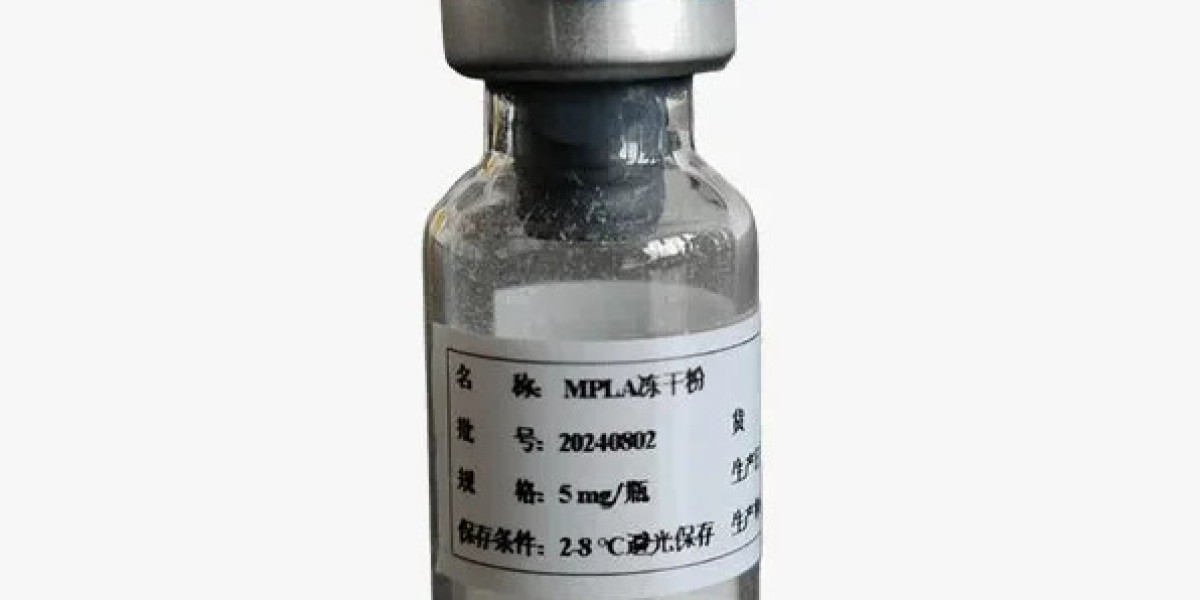

Modern vaccines rely on far more than the antigen itself. In an era of rapidly emerging pathogens, immune-evasive variants, and rising global mobility, vaccine designers must ensure that an antigen not only generates a response—but the right response, in adequate magnitude and duration. This is where immunostimulatory adjuvants come into the scientific spotlight.
These molecules, when incorporated into vaccine formulations, modulate innate and adaptive immune pathways to amplify antigen presentation, enhance cytokine secretion, and promote efficient long-term immunity. GC Biotech, a company known for its precision biotechnology solutions, has integrated advanced immunostimulatory adjuvant technologies into modern immunological research and vaccine development frameworks.
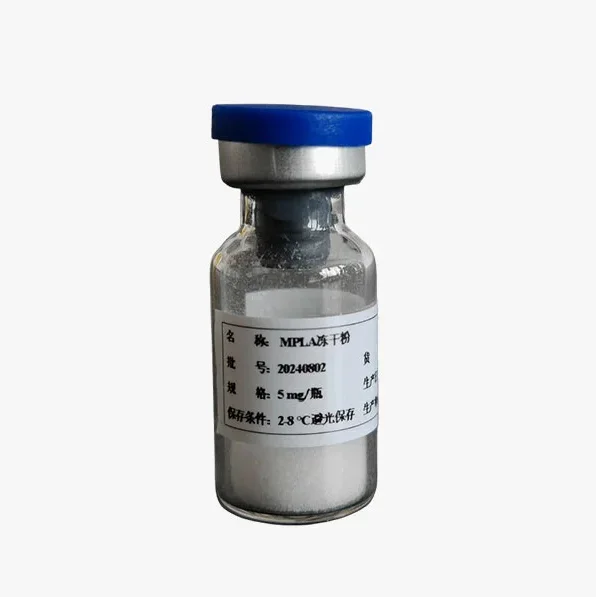
What Exactly Is an Immunostimulatory Adjuvant
An immunostimulatory adjuvant is a component added to vaccines to:
Boost immune cell activation
Enhance antigen uptake and processing
Regulate cytokine release
Improve memory T-cell and B-cell responses
Reduce required antigen dose while achieving stronger protection
Unlike classical aluminum-based adjuvants, modern immunostimulatory adjuvants often target specific cellular receptors such as TLRs (Toll-like receptors), NLRs, STING pathways, or other pattern recognition receptors (PRRs).
Their mechanism is not merely “immune boosting”—it is targeted immunological engineering.
Molecular Mechanism: How Immunostimulatory Adjuvants Reprogram Immune Response
1. Interaction with Antigen-Presenting Cells (APCs)
The immune cascade begins when adjuvants interact with dendritic cells and macrophages. This interaction triggers the up-regulation and down-regulation of co-stimulatory molecules:
CD80 / CD86 (critical for T-cell activation)
MHC-I and MHC-II molecules (for antigen presentation)
CD40 (key in enhancing B-cell activation)
2. Cytokine Activation and Th1 Biasing
Upon engagement, APCs release pro-inflammatory cytokines, including:
IL-12
TNF-α
IFN-γ
IL-6
This cytokine environment encourages a Th1-type immune response, which is particularly effective against:
Viral infections
Intracellular bacteria
Tumor antigens
Highly mutative pathogens
3. Long-Term Memory Development
Strong activation of CD4+ and CD8+ T cells, aided by adjuvant signals, supports:
Durable immune memory
Higher antibody affinity maturation
Longer-lasting protective immunity
Key Advantages in Modern Vaccine Engineering
1. Enhanced Immune Potency
Immunostimulatory adjuvants produce a level of immune activation that antigen alone cannot achieve, especially for weak or highly purified antigens.
2. Dose-Sparing Effect
By increasing antigen efficiency, the same protective response can be achieved with significantly less antigen material—critical in mass vaccination campaigns.
3. Tailored Immune Profiles
Modern adjuvants allow researchers to design vaccines that:
Favor Th1 immunity
Encourage cell-mediated pathways
Improve mucosal immunity
Reduce inflammatory risks
Target difficult pathogens (e.g., malaria, tuberculosis, RSV)
4. Improved Stability and Delivery Flexibility
Innovations from companies like GC Biotech support integration with:
Nanocarriers
Liposomes
Microparticles
Emulsion systems
Next-generation peptide or mRNA vaccines
Why Adjuvant Innovation Is Critical to Global Health
The growing need for rapid vaccine deployment, against both endemic and emerging pathogens, demands enhanced immune potency. Immunostimulatory adjuvants offer:
Stronger initial immune priming
Better cross-reactivity against variants
Increased vaccine shelf life and stability
Optimized performance in low-antigen vaccines such as subunits and mRNA formulations
Without sophisticated adjuvants, many modern vaccines would be too weak or too inefficient to produce global protection.
GC Biotech: A Partner in Immunostimulatory Adjuvant Innovation
GC Biotech integrates state-of-the-art immunomodulation technologies, focusing on:
Precise adjuvant-antigen compatibility
Optimization for Th1-dominant responses
Consistent performance across manufacturing batches
Effective scaling for research and industrial vaccine programs
The company’s expertise ensures researchers can access adjuvants that meet the strict requirements of modern immunological applications—efficiency, stability, and safety.
Application Fields Where Immunostimulatory Adjuvants Excel
1. Clinical Vaccine Development
Used in vaccines for viruses, bacteria, and parasitic diseases.
2. Oncology Immunotherapy
Boosts tumor antigen visibility to T cells.
3. Veterinary Vaccines
Supports large-scale, cost-effective immune activation.
4. Diagnostic Reagents
Improves sensitivity in immune-based detection platforms.
5. Research-Grade Immune Pathway Studies
Helps scientists map PRR activation and cytokine responses more accurately.
Conclusion: The Future Is Immuno-Engineered
Immunostimulatory adjuvants are not merely additives—they are core structural components in how modern vaccines work. They enable stronger, safer, faster, and more predictable immune responses, particularly when paired with advanced delivery platforms.
With companies like GC Biotech pushing the boundaries of immunological engineering, the next generation of vaccines promises to be more potent, more efficient, and more precisely targeted than ever before.
https://en.jicangbio.com/cytokines-co-stimulation-and-control-how-modern-adjuvants-work.html