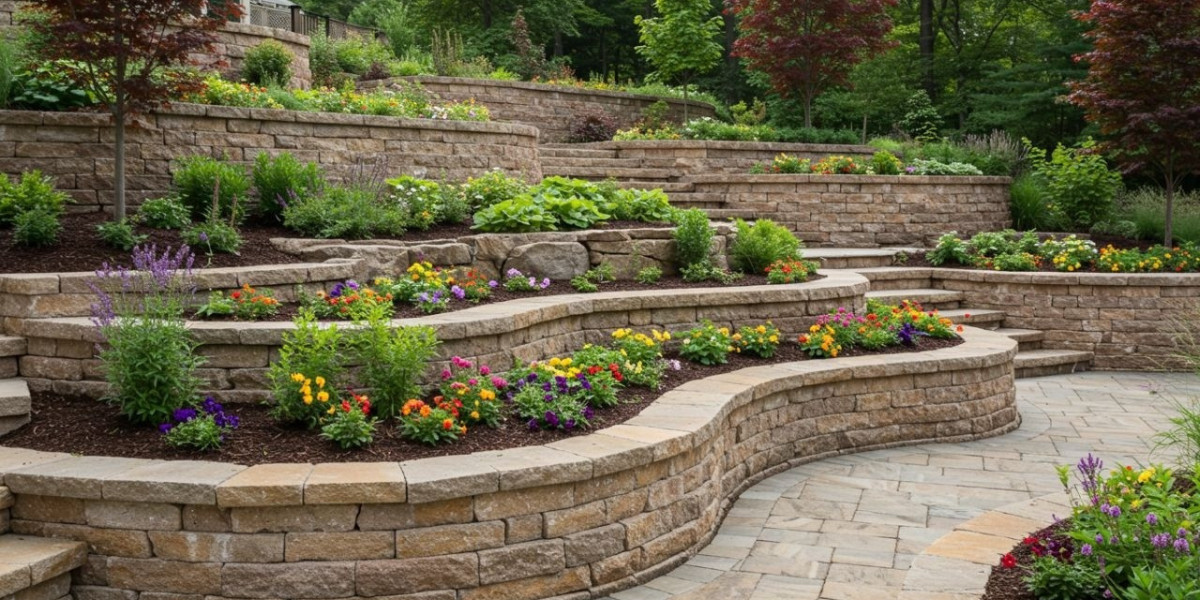

For those who prioritize design flexibility, timeless beauty, and easy repairability, a paver patio stands as the pinnacle of outdoor hardscaping. Unlike a monolithic slab, a paver patio is an intricate assembly of individual units—be they concrete, brick, or natural stone—that interlock to create a durable, permeable, and visually captivating surface. The installation process is a meticulous craft that, when performed by skilled professionals, results in a patio that is not only stunning but also engineered to handle ground movement and last for generations. It transforms your backyard into a patterned outdoor gallery where the ground itself is a work of art.
The journey to a perfect paver patio begins with design and excavation. Homeowners can choose from a vast array of paver shapes (rectangular, square, irregular), colors, and textures. These units can be laid in classic patterns like running bond or herringbone, or more complex designs like circles and fans. Once the design is set, the area is excavated to a precise depth, accounting for the paver thickness, a sand setting bed, and a robust gravel base. This excavation must include a gentle slope (typically 1-2%) away from the house to ensure proper surface drainage, a critical step to prevent water pooling.
The foundation is what gives a paver patio its legendary durability and stability. After excavation, a layer of compacted gravel, often 4-6 inches thick, is installed and mechanically tamped to create an unyielding base that resists settling. On top of this, a precisely leveled layer of coarse concrete sand or stone dust is spread. This "bedding sand" is meticulously screeded to a flat, uniform plane; it is the final surface upon which the pavers will rest, so its perfection dictates the final result. Each paver is then hand-placed according to the chosen pattern, with careful attention to maintaining consistent joint spacing.
Once all pavers are laid, the final locking and finishing steps begin. Polymeric sand is swept across the surface, filling the joints between each paver. This special sand contains additives that, when activated with water, harden to form a flexible yet strong bond that locks the pavers in place, prevents weed growth, and inhibits insect intrusion. The entire patio is then compacted with a plate compactor to settle the pavers firmly into the bedding sand. For a result that showcases the full potential of pavers—with precise pattern alignment, flawless drainage, and a locked-in, weed-resistant surface—professional installation is key. Experts in Paver Patio Installation possess the tools, techniques, and eye for detail necessary to transform bags of pavers and piles of gravel into a breathtaking and enduring outdoor living space.
In conclusion, a paver patio installation is a testament to precision craftsmanship. It offers unparalleled aesthetic control and the practical benefit of a flexible, repairable surface. The combination of a engineered gravel base, a perfectly level sand bed, and the interlocking strength of polymeric sand creates a system that moves with the earth, not against it. By investing in professional installation, you ensure that this complex system is built correctly from the ground up, resulting in a patio that is as structurally sound as it is beautiful, ready to host countless gatherings for decades to come.