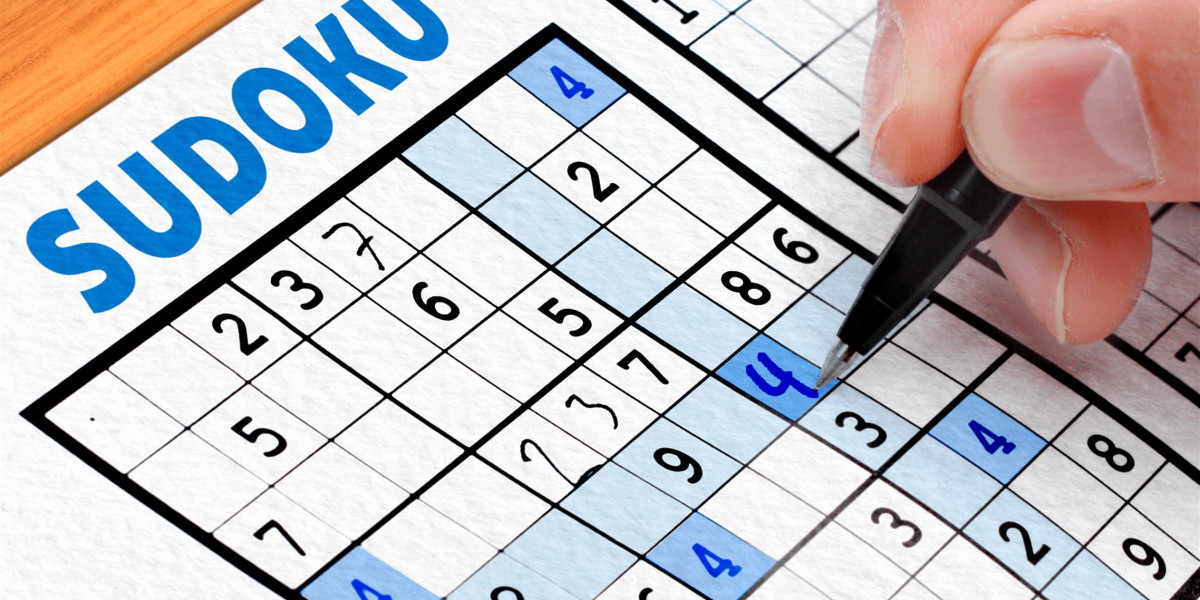

Sometimes the best hobbies are the ones you never planned to start. They appear quietly in your life and slowly become something you genuinely enjoy. That’s exactly how I ended up spending so much time solving Sudoku puzzles.
At first, it was just a way to pass time during a boring afternoon. But over the years, it turned into something much more than that—a relaxing habit, a mental challenge, and occasionally even a funny conversation starter.
It’s amazing how much enjoyment can come from something as simple as a grid filled with numbers.
My First Real Experience With Sudoku
Before I actually tried solving Sudoku, I always thought it looked intimidating. Whenever I saw those 9×9 grids in newspapers, my first reaction was usually something like, “That looks complicated.”
So I ignored them.
But one evening while waiting for a friend at a café, I noticed a puzzle book sitting on the table. Out of curiosity—and a little boredom—I flipped through the pages and saw a puzzle grid with several numbers already filled in.
The rules were printed at the top: fill each row, column, and 3×3 box with numbers from 1 to 9 without repeating any number.
It sounded simple enough.
So I grabbed a pen and gave it a try.
The Moment When the Puzzle Starts to Click
At the beginning, the puzzle seemed easy. Some rows were nearly complete, making the missing numbers obvious.
I quickly filled in several squares and thought I would finish the entire puzzle in just a few minutes.
But then things slowed down.
Suddenly, the answers weren’t so clear anymore. I stared at the grid, checking rows and columns again and again, trying to find the next logical step.
For a moment, I wondered if I had made a mistake.
Then I noticed something small.
One of the 3×3 boxes was missing only one possible number. That discovery led to another answer, and then another.
Within a few minutes, the puzzle was moving again.
That moment—when confusion suddenly turns into clarity—is what makes solving puzzles so satisfying.
The Emotional Rollercoaster of Solving a Puzzle
If you’ve ever solved puzzles regularly, you probably know that every grid follows a similar emotional journey.
The Confident Beginning
At first, everything feels easy. You fill in a few numbers quickly and feel confident about solving the puzzle.
The Confusing Middle
Then comes the stage where progress slows down. You check the grid carefully but can’t find the next number.
This is usually when the puzzle feels the most challenging.
The Breakthrough
Eventually, you notice a small pattern or missing number that unlocks the rest of the puzzle.
Suddenly everything starts moving again.
The Satisfying Finish
The final stage is always the best. Once most of the grid is filled in, the last numbers appear quickly until the puzzle is complete.
That final moment always feels rewarding.
Why Sudoku Is More Relaxing Than It Looks
Many people assume puzzles are stressful because they require thinking and concentration. But in reality, Sudoku often feels relaxing.
It Clears My Mind
When I’m focused on solving a puzzle, my brain stops worrying about everything else. Emails, deadlines, and daily stress fade into the background.
For a few minutes, the puzzle becomes the only thing that matters.
It Creates a Calm Challenge
Unlike many games that push you to move quickly, puzzles allow you to take your time.
There’s no rush.
You can analyze the grid slowly and think through each step.
That slower pace feels refreshing.
A Funny Puzzle Moment
One time I was solving a puzzle during a train ride when the person sitting next to me noticed the grid on my phone.
They leaned over and said, “Oh wow, you’re good at math.”
I laughed and explained that puzzles like this don’t actually require much math at all.
It’s mostly logic and pattern recognition.
Still, they looked impressed—like I was doing something much more complicated than I actually was.
Sometimes puzzles look more difficult than they really are.
Small Tips That Help Me Solve Puzzles
After solving many grids, I’ve picked up a few simple strategies that make puzzles easier.
Start With the Obvious Numbers
Look for rows or columns that already contain most of the numbers.
These are often the easiest places to find the missing ones.
Check the 3×3 Boxes Carefully
Sometimes the key to solving the puzzle lies within the smaller boxes rather than the larger rows.
Stay Patient
The biggest mistake is rushing.
Taking a moment to carefully study the grid often reveals answers you might otherwise miss.
Why Sudoku Never Gets Old
One reason I still enjoy puzzles is that every grid feels different.
Even though the rules stay the same, each puzzle presents a unique challenge. Some are quick and easy, while others require deeper concentration.
That variety keeps things interesting.
And because puzzles rely on logic rather than speed or graphics, they remain enjoyable no matter how many you solve.
The Simple Joy of Completing a Puzzle
There’s something very satisfying about finishing a puzzle.
You place the last number, take a quick look at the grid, and realize everything fits perfectly.
Every row is correct.
Every column is complete.
Every box contains the right numbers.
It’s a small achievement, but it always feels good.