
Understanding Jaguar Reliability Issues
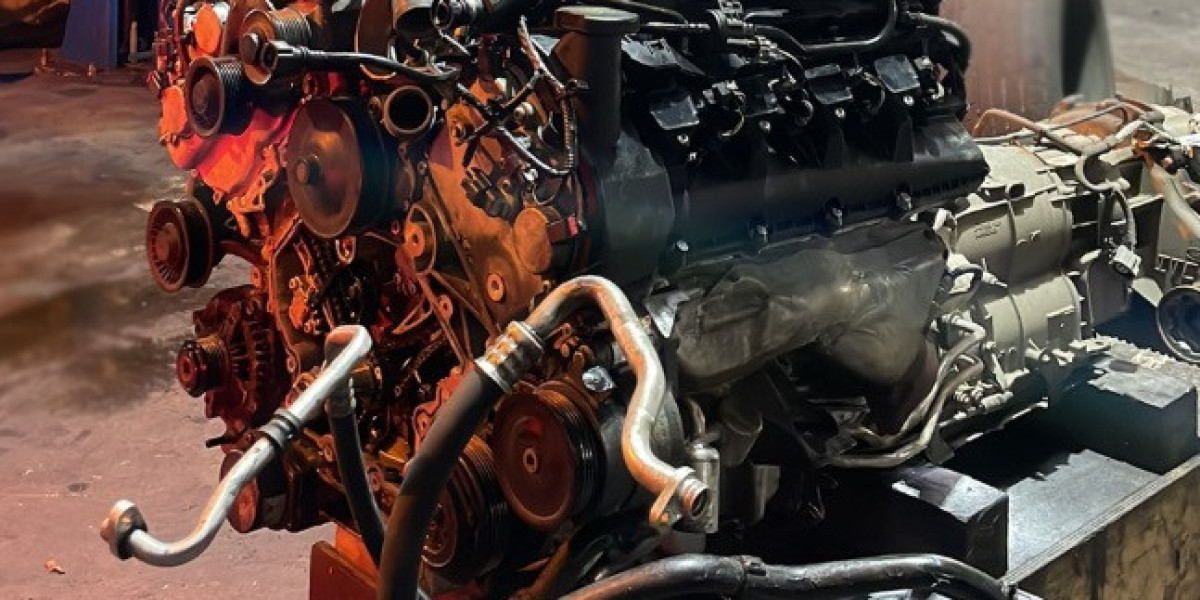
Owning a luxury car brings unmatched status, but the complexity of a Jaguar Engine can sometimes lead to unexpected mechanical headaches for even the most dedicated owners. These vehicles are precision-engineered machines that demand rigorous maintenance to stay on the road without major faults. While the brand has made massive strides in reliability over the last decade, specific legacy issues continue to pop up in enthusiast forums and repair shops alike. Recognizing the early warning signs of internal wear is the first step toward avoiding a massive repair bill that could easily exceed the car's current market value.
Timing Chain Tensioner Failures
One of the most notorious problems involves the early V8 models where the plastic timing chain tensioners would eventually crack under constant heat cycles. If you hear a rattling sound during a cold start, it might mean your Jaguar Engine is nearing a catastrophic timing failure that could destroy the valves. The practical fix is to replace these brittle plastic components with the third-generation metal versions that offer much higher durability. Many specialists recommend doing this as a preventative measure once the vehicle hits the 35,000-mile mark. Taking action early ensures the heart of your luxury sedan remains perfectly timed and powerful.
Ingenium Diesel Oil Dilution
Modern 2.0-liter diesel units often suffer from oil dilution, a process where unburnt fuel enters the crankcase during interrupted particulate filter regenerations. This thinned-out lubricant fails to protect the metal surfaces of a Jaguar Engine, leading to premature wear on the timing chains and turbocharger bearings. Owners who primarily drive short distances in the city are most at risk for this specific lubrication failure. To fix this, you should ignore the long factory service intervals and opt for oil changes every 7,000 miles. Using the correct low-ash synthetic oil is non-negotiable for preserving the internal health of these sophisticated powerplants.
Plastic Coolant Pipe Cracks
Jaguar's cooling systems rely heavily on plastic crossover pipes that sit in the "V" of the engine, where they are baked by extreme temperatures. Over time, the plastic becomes brittle and develops hairline fractures that allow coolant to seep out slowly without leaving a puddle. If the coolant level drops, the Jaguar Engine can overheat in seconds, which often leads to warped cylinder heads or a blown head gasket. The best practical fix is to upgrade these plastic pipes to aftermarket aluminum versions whenever the manifold is removed for service. This simple swap eliminates a major "ticking time bomb" within the cooling circuit.
Water Pump Premature Wear
The water pump is a known weak point on the 3.0-liter V6 and 5.0-liter V8 supercharged models, often failing before the 50,000-mile mark. A failing pump usually starts with a faint chirping noise or a small leak from the weep hole, signaling that the Jaguar Engine is at risk of losing its primary cooling source. Modern Jaguar water pumps have gone through several revisions to address these bearing and seal failures. When replacing the pump, it is wise to also swap out the thermostat and the drive belt at the same time. Using genuine parts ensures the replacement lasts longer than the original factory-installed unit did.
Carbon Buildup in GDI Units
Direct injection technology provides great fuel economy, but it also allows carbon deposits to bake onto the intake valves over several years. Without fuel washing over the valves, the Jaguar Engine will eventually suffer from rough idling, decreased throttle response, and significant power loss at high RPMs. This is not a mechanical failure but rather a side effect of the design that requires periodic cleaning to restore performance. A walnut blasting service is the most effective practical fix for removing this stubborn gunk without damaging the delicate intake ports. Regular use of high-quality fuel additives can also help slow the rate of accumulation.
Turbocharger Bearing Issues
Turbocharged variants provide plenty of torque, but the turbochargers themselves are sensitive to oil quality and high heat soak after long drives. If you notice blue smoke from the exhaust or a loud whistling noise, your Jaguar Engine may be struggling with a seizing turbo bearing or a boost leak. This often happens because owners shut off the engine immediately after a spirited drive without letting the turbo cool down. Installing a new turbocharger is expensive, so the best fix is prevention through proper "cool-down" idling periods. Always ensure the oil feed lines are clear of carbon deposits when performing any turbo-related repairs.
Nikasil Cylinder Liner Erosion
Legacy owners of the early XJ8 and XK8 models had to deal with Nikasil-coated cylinder walls that would erode when exposed to high-sulfur fuel. This erosion led to a loss of compression, making the Jaguar Engine difficult to start in cold weather or causing it to run roughly. While the high-sulfur fuel issue has largely been resolved by modern fuel standards, some older engines still show signs of low compression today. The only permanent fix for a damaged Nikasil block is an expensive engine rebuild with steel liners. Checking the vehicle's service history for a factory block replacement is vital when buying these specific vintage models.
Electronic Sensor Malfunctions
Sometimes the hardware is perfectly fine, but a faulty oxygen sensor or a dirty mass airflow sensor sends incorrect data to the car's computer. This causes the Jaguar Engine to run too rich or too lean, triggering a "Restricted Performance" mode that limits your speed and power. Using a dedicated OBD-II scanner can help you pinpoint exactly which sensor is acting up before you start replacing expensive mechanical parts. Cleaning the MAF sensor with a specialized spray is a quick and cheap fix that often restores smooth operation. Keeping electrical connectors clean and dry is also essential for preventing phantom fault codes in damp climates.
Maintaining Longevity Through Care
The key to a long-lasting ownership experience is staying ahead of the maintenance curve and treating every small rattle as a priority. A well-maintained Jaguar Engine is capable of exceeding 200,000 miles if the owner is diligent about fluid changes and cooling system inspections. Using high-quality filters and original equipment manufacturer parts ensures that the tight tolerances within the motor are always respected. By addressing the common weak points like plastic pipes and timing tensioners, you can enjoy the legendary performance without the fear of a breakdown. Consistency in service is the ultimate secret to preserving the soul of your British luxury machine.