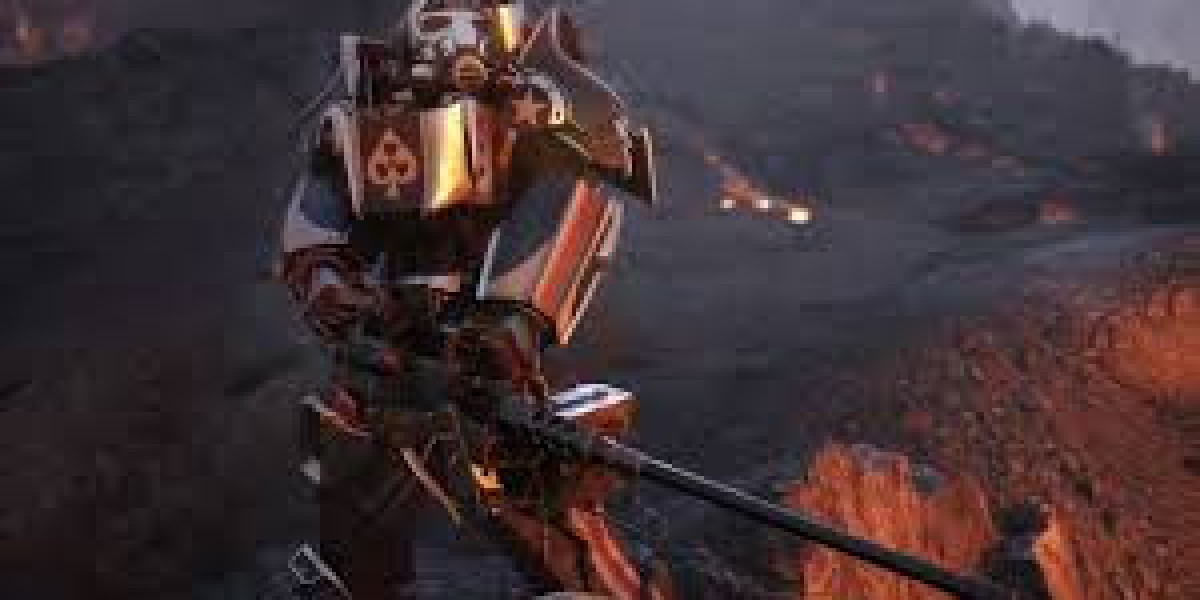

Fallout 76 explores a different side of the post-apocalyptic genre by focusing on what happens after the dust settles and survivors begin to rebuild. Set in the vast and varied region of Appalachia, the game invites players to step into a broken world that is not entirely hopeless. Instead of centering solely on destruction, Fallout 76 emphasizes survival, cooperation, and the slow process of restoring meaning to a ruined land.
From the very beginning, the world feels open and unpredictable. Players leave Vault 76 with limited supplies and little guidance, forced to rely on exploration and experimentation. The environment itself becomes a teacher. Forests hide both valuable resources and deadly threats, while abandoned towns tell quiet stories through scattered objects and decaying buildings. This form of environmental storytelling rewards curiosity and makes every discovery feel personal rather than scripted.
Survival mechanics are deeply woven into the experience. Managing food, water, radiation, and equipment durability adds constant pressure, especially in the early stages. These systems encourage thoughtful planning and adaptability. Venturing too far without preparation can quickly turn dangerous, while smart resource management allows players to thrive. Over time, survival becomes less about desperation and more about mastery, reflecting the player’s growing understanding of the world.
A major distinction of Fallout 76 is its shared online setting. Other players inhabit the same wasteland, creating moments of cooperation, tension, and surprise. Large-scale events often require teamwork, pushing players to communicate and coordinate strategies. At the same time, solo exploration remains viable, allowing individuals to shape their own journey. This balance keeps the experience flexible and personal, even within a multiplayer framework.
The introduction of Wastelanders marked an important shift by bringing human non-player characters back into the world. Their stories, dialogue, and factions added emotional depth and moral complexity. Choices made during these interactions influence outcomes and relationships, giving weight to player decisions. This narrative layer blends smoothly with the open-world structure, enhancing immersion without restricting freedom.
Base building plays a symbolic and practical role in Fallout 76. Through the C.A.M.P. system, players can construct shelters, workshops, or trading posts almost anywhere. These camps act as safe havens and expressions of creativity. Encountering another player’s camp can feel like discovering a small piece of restored civilization, filled with personality and intention.
As an evolving live service game, Fallout 76 Items continues to change through updates and community-driven content. Its world grows richer over time, shaped by both developers and players. By combining survival mechanics, social interaction, and open-ended exploration, Fallout 76 offers a vision of the apocalypse that is less about the end of the world and more about what comes after.