Collectibles are becoming a fascinating part of modern culture, attracting individuals who enjoy discovering, collecting, preserving, and displaying unique items. A treasured may be most situations that holds personal, historical, artistic, cultural, or financial value. Popular examples include rare coins, vintage stamps, antique furniture, sports memorabilia, trading cards, action figures, comic books, limited-edition toys, historical documents, and decorative items. Many collectors begin their journey with a specific interest or hobby and gradually develop a collection that reflects their personality and preferences. Some individuals collect items because they remind them of special memories, while others appreciate their craftsmanship, rarity, or historical significance. The planet of collectibles offers countless opportunities to explore different categories, learn about unique objects, and discover fascinating pieces that may possibly not be readily available in ordinary retail stores. Whether someone is an experienced collector or a starter, collecting provides a pleasurable way to connect with history, creativity, and personal interests.
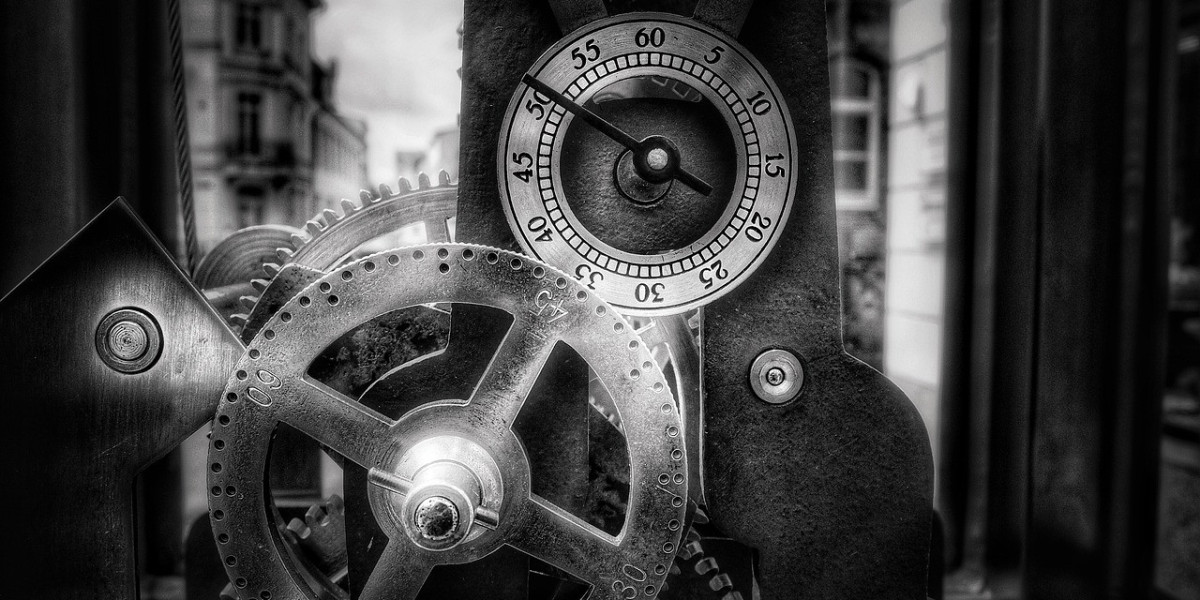
Among the most popular categories in the collectibles market is antique and vintage items. These products often attract collectors simply because they represent different periods, traditions, and manufacturing styles. Vintage watches, old furniture, historical photographs, classic toys, decorative ceramics, antique jewelry, and traditional household accessories are samples of items that may become valuable collectibles. Their appeal often originates from their age, condition, originality, and link with a particular historical period. Collectors usually examine several details before purchasing an antique item, including its materials, design, manufacturer, production date, and overall condition. Authenticity is very important because reproductions and imitation products can occasionally look just like original pieces. Learning how to acknowledge genuine vintage products helps collectors make informed decisions and develop collections with greater historical and personal significance. Antique collecting also provides an opportunity to preserve objects that represent traditional craftsmanship and cultural heritage.
Sports memorabilia is another exciting part of the collectibles industry, especially among fans who follow professional athletes, popular teams, and memorable sporting events. Items such as for instance signed jerseys, autographed photographs, championship merchandise, trading cards, historic tickets, limited-edition equipment, and commemorative items are widely appreciated by sports enthusiasts. These collectibles allow fans to preserve memories of important matches, legendary performances, and unforgettable moments in sporting history. The worthiness of sports memorabilia can rely on several factors, including the popularity of the athlete, the historical significance of the big event, the item's condition, its rarity, and the availability of authentication documents. Limited-production merchandise and officially signed products may attract particular attention from collectors. Proper storage can be essential because experience of sunlight, moisture, dust, and unsuitable temperatures can damage valuable memorabilia. Many enthusiasts use protective display cases, archival-quality sleeves, and specialized storage materials to maintain their collections over time.
Trading cards, comic books, action figures, and collectible toys have also developed into major categories within the collectibles market. These items attract people of different ages since they combine entertainment, nostalgia, creativity, and sometimes historical importance. Trading cards featuring sports personalities, fictional characters, and popular entertainment franchises are specially popular among collectors who enjoy discovering rare editions and completing themed collections. Comic books offer Polski paszport kolekcjonerski another fascinating collecting opportunity, with certain issues becoming highly desirable due to their original publication dates, special editions, iconic characters, or limited print runs. Similarly, action figures and collectible toys can interest enthusiasts who appreciate detailed designs, original packaging, character history, and manufacturing quality. Collectors often organize these items in accordance with themes, series, release years, or manufacturers. Maintaining their original condition is important, particularly for products that include packaging, accessories, certificates, or special edition markings. Researching market trends and comparing different editions will help collectors understand the unique characteristics of the things they own.
Developing a successful collectibles collection requires patience, knowledge, organization, and careful research. Before purchasing any item, collectors should understand its category, authenticity, condition, availability, and market reputation. Online marketplaces, specialist retailers, auctions, collector communities, exhibitions, and dedicated collectible stores provide different opportunities to discover interesting products. Reading product descriptions, reviewing photographs, comparing prices, and checking seller information can reduce the possibility of purchasing damaged or misrepresented items. It can also be helpful to maintain an organized inventory containing details such as for example purchase dates, item descriptions, estimated values, authenticity information, and storage locations. Proper preservation techniques could make a significant difference in maintaining the look and condition of collectibles. Some objects require protective cases, while others may need acid-free folders, temperature-controlled environments, or specialized cleaning methods. Developing a clear collecting strategy helps enthusiasts concentrate on categories they genuinely enjoy instead of buying items without understanding their importance or long-term relevance.
The collectibles industry continues to evolve as technology, online communities, and international marketplaces ensure it is easier for enthusiasts to find out and exchange unique items. Digital platforms allow collectors to explore products from different countries, compare available editions, keep in touch with other enthusiasts, and find out more about rare objects. Online auctions and specialized marketplaces have expanded use of collectibles that could previously have been difficult to get locally. Social media marketing groups, discussion forums, and collector communities provide useful opportunities to talk about knowledge, exchange experiences, and discover emerging collecting trends. At the same time frame, buyers should remain careful when purchasing expensive or rare products online by checking seller credibility, requesting clear photographs, reviewing return policies, and verifying authenticity whenever possible. Although certain collectibles may increase in market value, their future prices are never guaranteed, so collecting should primarily be guided by genuine interest and enjoyment. Ultimately, collectibles represent a great deal more than ordinary possessions since they preserve memories, celebrate creativity, connect generations, and offer a fascinating solution to appreciate rare and meaningful objects from different aspects of life.